What is fleet utilisation, and how do analysts estimate it from a site count?
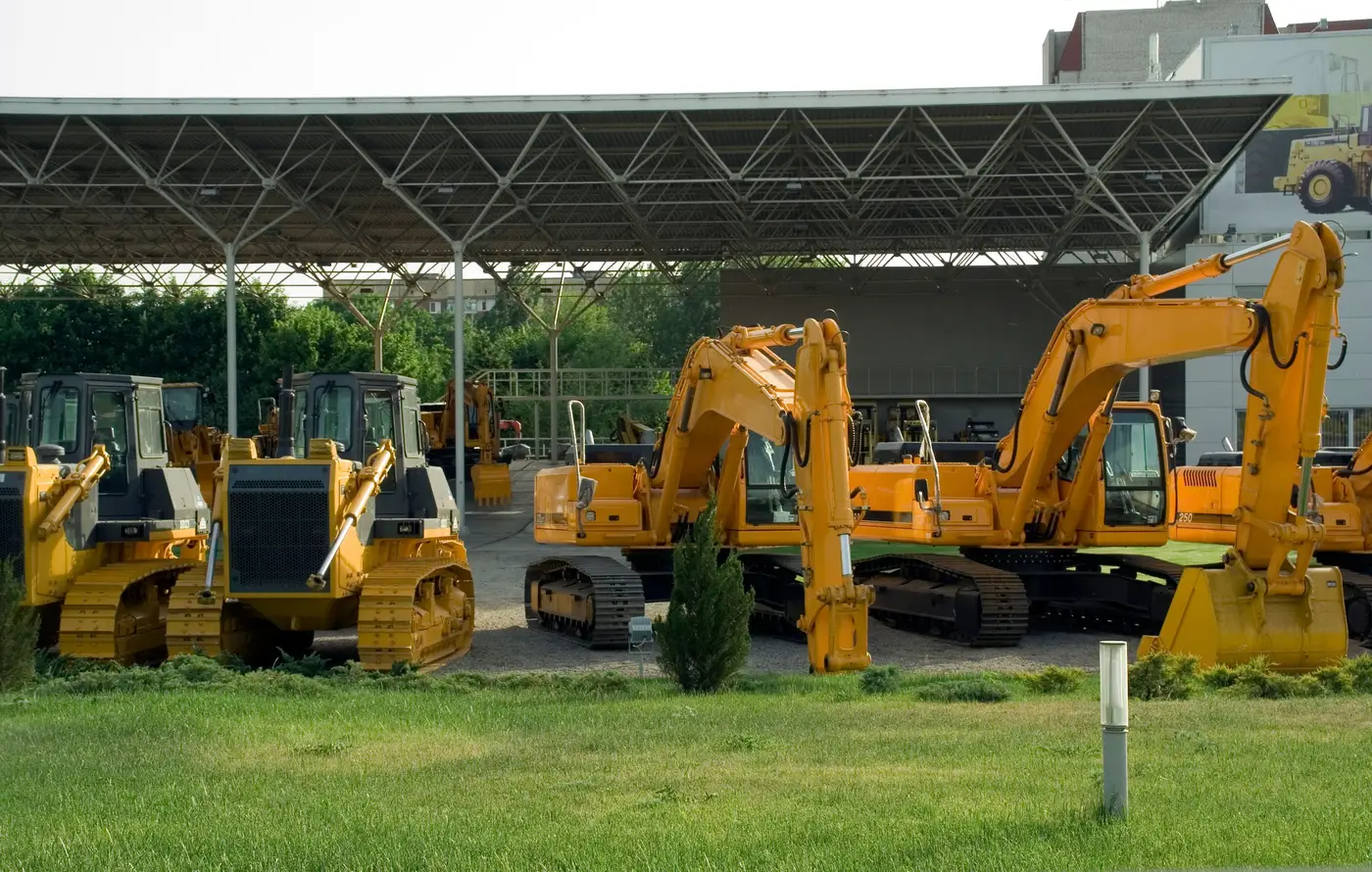
Fleet utilisation gets thrown around in a lot of OEM strategy decks, and the definition is simple enough on paper. It's the share of a machine population that's working at any given time, versus sitting idle in a yard, a laydown area, or a dealer's used lot. The formula isn't the hard part. Getting a trustworthy number for the denominator, the total machine count, across hundreds of sites and multiple OEM brands, is where most analysts quietly give up and start estimating.
The formula, and where it breaks down
Utilisation rate = active units / total units in the population, over a given period. Active usually means logged hours above some threshold, or physically moved from where it sat last month. Total units is every machine of that class sitting in dealer inventory, rental fleets, contractor yards, and mine or quarry sites within your scope.
The active-hours side has gotten easier. Telematics feeds from the major OEMs cover a growing share of newer machines, and that data is reasonably clean once you've mapped serial numbers to fleet IDs. The total-units side is where the trouble starts. Telematics only covers machines with the box installed and a live data plan, which skews toward newer, higher-value units. Older iron, grey-market machines, and anything a contractor bought secondhand without a service contract mostly falls outside that feed. So the denominator you'd get from telematics alone understates the real population, sometimes by a lot, and your utilisation rate comes out wrong in a direction that's hard to see from inside the data.
How analysts back into the number today
In practice, most shops triangulate. Dealer calls give you a read on what's moving off the lot this quarter. Registration and permit records, where they exist, give you a lagging proxy for fleet growth. Rental association reports give you aggregate utilisation benchmarks for broad equipment classes, useful for a sanity check but too coarse to tell you what's happening at a specific pit or terminal. None of these methods count machines. They infer a count from adjacent signals, and every one of those signals has its own lag and its own blind spot.
The piece that actually closes the gap is a physical count: how many excavators, haul trucks, loaders, or cranes are standing on a given site on a given date. Once you have that, independent of whether the machine phones home, you have a real denominator. Match it against whatever hours or movement data you already pull from telematics or dealer reports, and utilisation stops being a triangulated guess and becomes a ratio you can defend in a board deck.
This matters more than it sounds like, because utilisation rate isn't just a standalone metric. It's the input everything else downstream gets built on: replacement-cycle timing, used-equipment pricing, market share by OEM within a region, even next quarter's parts demand forecast. If the machine count feeding that chain is off by 15% because it's missing older or non-connected units, every metric built on top of it inherits the same error, just hidden a few steps downstream where nobody traces it back.
A monthly, per-site count of standing equipment, read from imagery rather than inferred from a phone call or a telematics subscription, gives you that denominator directly. That's the gap Heavy Equipment Detection is built to close: a dated unit count for every machine in a yard, pit, or terminal, the same raw number every fleet metric above it depends on.
What this looks like in a working model
Say you're tracking excavator utilisation for a region with 40 active sites. Telematics covers maybe 60% of the fleet reliably. For the rest, you'd normally patch in a dealer estimate or last quarter's number and hope it hasn't moved much. Swap that patch for a count of machines standing on each site, taken on a consistent monthly cadence, and your denominator stops drifting between updates. The utilisation rate you report is still an estimate in the sense that any aggregate metric is an estimate, but the input feeding it is a count, not a guess layered on a guess.
If you're rebuilding a utilisation model and the site count keeps being the part you have to caveat, that's worth a closer look at how the count itself gets made.